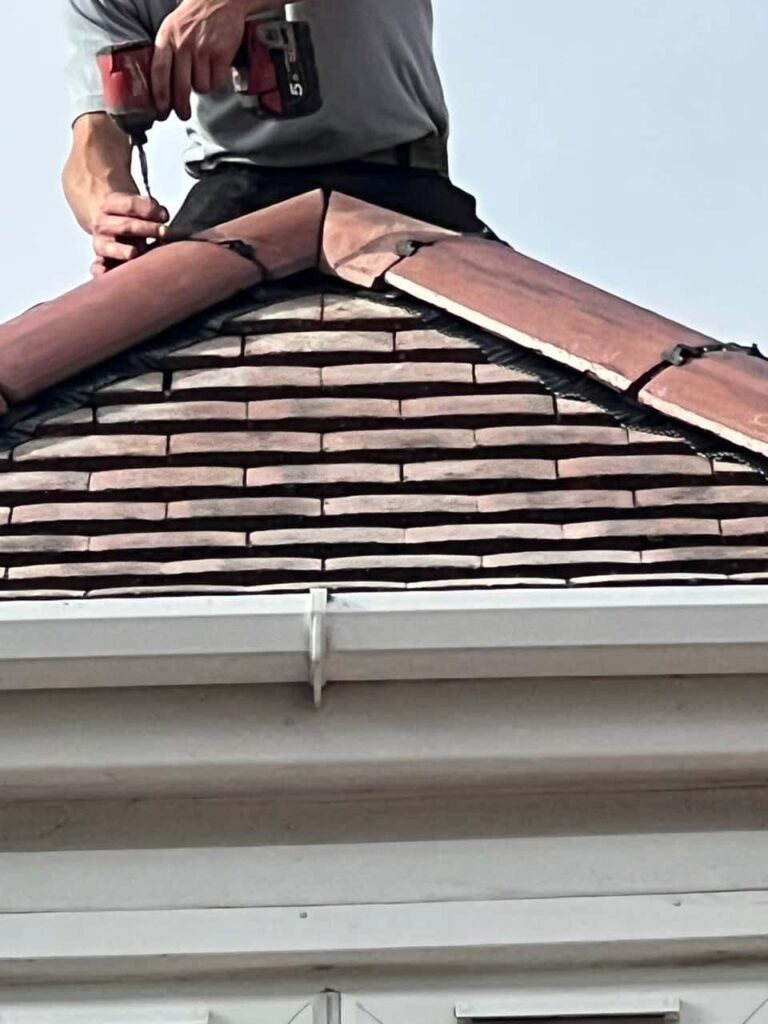
A new roof does more than protect a property from rain and wind. When the complete roofing system is designed correctly, it can reduce unwanted heat loss, improve indoor comfort and lessen the amount of energy required to maintain a stable temperature.
However, energy efficiency does not depend on tiles or slates alone. Insulation, ventilation, underlay, detailing and workmanship must all perform together. For homeowners in Howden, East Riding of Yorkshire, understanding these elements can help ensure a new roof delivers dependable protection and meaningful improvements in thermal performance.
How an Energy-Efficient New Roof Reduces Heat Loss
Warm air naturally moves towards colder areas of a building. If the roof contains inadequate insulation, uncontrolled gaps or poorly detailed junctions, a considerable amount of heat can escape through the upper part of the property.
A well-designed new roof limits this movement while managing moisture correctly. This can reduce demand on the heating system and contribute to lower utility bills.
Insulation Has the Greatest Thermal Impact
Insulation is one of the most important elements in an energy-efficient roof. It slows the transfer of heat between the interior of the property and the outside environment.
The correct insulation arrangement depends on the roof design. In some properties, insulation is installed at ceiling level to create a cold roof space. In others, it follows the roof slope to keep the loft within the insulated envelope.
The material must be installed continuously and at an appropriate depth. Gaps, compression and poorly fitted sections can create weak points through which heat escapes.
The Complete Roof Build-Up Matters
Roof tiles and slates primarily provide weather protection. Although their thermal characteristics differ, the greatest energy savings usually come from the layers beneath them.
An effective roof build-up may include:
- A durable external covering
- Suitable battens and fixings
- A correctly specified roofing membrane
- Continuous insulation
- Appropriate vapour control
- Carefully sealed junctions
- Effective ventilation where required
These components must be compatible. Choosing individual products without considering how they work together can undermine the performance of the complete roof.
Airtight Detailing Reduces Draughts
Insulation slows heat transfer, but uncontrolled air leakage can still allow warmth to escape. Gaps around loft hatches, service penetrations, roof windows and junctions may create draughts and uneven indoor temperatures.
Careful detailing helps form a more continuous thermal envelope. This does not mean preventing all airflow within the roof; it means controlling where air moves so that the living space remains comfortable while the roof receives the ventilation it needs.
Ventilation Helps Control Moisture
Improving insulation without considering ventilation can cause moisture to accumulate within concealed roof areas. Warm indoor air carries water vapour, which may condense when it reaches a cold surface.
Correct ventilation allows unwanted moisture to disperse and helps protect insulation, battens and structural timbers. Dry insulation performs more reliably than material affected by persistent dampness, so moisture control is an essential part of energy-efficient roofing.
Underlay Supports Weather Resistance
Modern roofing membranes provide secondary protection beneath tiles or slates. They help manage any moisture that passes through the outer covering and can contribute to the overall control of air and vapour movement when installed as part of a properly designed system.
The membrane must be lapped, supported and detailed correctly around penetrations and junctions. Poor installation can leave vulnerable gaps and reduce the effectiveness of other roofing materials.
Roof Windows Require Careful Installation
Roof windows can introduce natural light and make upper-floor spaces more useful, but their installation must preserve the continuity of insulation and weatherproofing.
Insulation should fit carefully around the frame, while flashing and internal seals must be correctly formed. Inadequate detailing can create cold spots, draughts or condensation even when the window itself performs efficiently.
Junctions Are Common Sources of Heat Loss
The main areas of a roof may be well insulated while edges and junctions remain weak. Particular attention is required around:
- Eaves
- Verges
- Chimneys
- Roof valleys
- Dormers
- Party walls
- Roof windows
- Pipes and ventilation terminals
These areas often contain changes in material or restricted spaces. Professional planning helps maintain insulation continuity without obstructing necessary ventilation or drainage routes.
Roofing Materials Should Suit the Property
The most suitable covering depends on the roof pitch, structural support, exposure and appearance of the property. Tiles and slates vary in weight, profile, durability and installation requirements.
Selecting an appropriate covering helps the roof remain weather-resistant, which indirectly supports energy efficiency. If wind-driven rain reaches insulation or concealed timbers, thermal performance can decline and the roof may become more difficult to maintain.
Good Workmanship Protects Performance
Even high-quality materials cannot deliver their intended benefits if they are fitted incorrectly. Gaps in insulation, damaged membranes and poorly formed junctions can create localised weaknesses.
Professional installation ensures that the specification is translated into a complete and consistent roofing system. This is particularly important where the roof contains complex slopes, extensions, chimneys or other penetrations.
Signs an Existing Roof May Be Thermally Inefficient
Possible indicators include:
- Upper rooms that cool noticeably faster
- Draughts near loft hatches or sloping ceilings
- Uneven temperatures between rooms
- Condensation within the loft
- Damp or compressed insulation
- Visible gaps in the insulation layer
- Persistent difficulty maintaining indoor warmth
These symptoms can have several causes, so a professional assessment is needed before deciding whether roofing work is the appropriate solution.
Think Beyond Immediate Energy Savings
An energy-efficient roof should also be durable, maintainable and suited to the building. A balanced specification can improve comfort, support moisture control and reduce the strain placed on heating systems.
The best results come from treating thermal performance and weather protection as connected priorities rather than separate upgrades.
Conclusion
The right materials can help lower utility bills, but their success depends on the complete roof design. Continuous insulation, controlled airflow, suitable ventilation and carefully detailed junctions are just as important as the external roof covering.
TRP Roofing Howden can assess your property and plan a new roof that combines dependable weather protection with improved thermal performance. If you are considering a new roof in Howden, East Riding of Yorkshire, contact the team to discuss a solution suited to your property.
Call us on: 01430 33 8984
Click here to find out more about TRP Roofing Howden
Click here to complete our contact form and see how we can help with your roofing needs.